What World Is, and Why Its App Matters in a Digital Age - Let BigWorld Discover It With You
In the early days of the internet, digital spaces were simple. They were forums and chat rooms where people connected using usernames and, at best, avatars. Today’s digital world is vastly more complex. We interact with AI-generated content, automated accounts, and digital personas that sometimes feel more real than the humans behind them. As artificial intelligence grows more advanced, it becomes harder to tell whether we’re interacting with a real person — or a sophisticated bot.
This shift has sparked a wave of projects aimed at preserving human identity and authenticity online. One of the most ambitious is World, a global digital identity and verification initiative co-founded by Sam Altman, the CEO of ChatGPT-maker OpenAI. Originally known as Worldcoin, the project has rebranded and expanded its scope in recent years to encompass identity, blockchain infrastructure, and tools for distinguishing real people from automated systems online.
1. What World Actually Is
World (previously Worldcoin) was created by Sam Altman, Max Novendstern, and Alex Blania through their company, Tools for Humanity. Its primary goal is to build a global digital identity network — a way for people to prove they are human in an increasingly AI-dominated digital world.
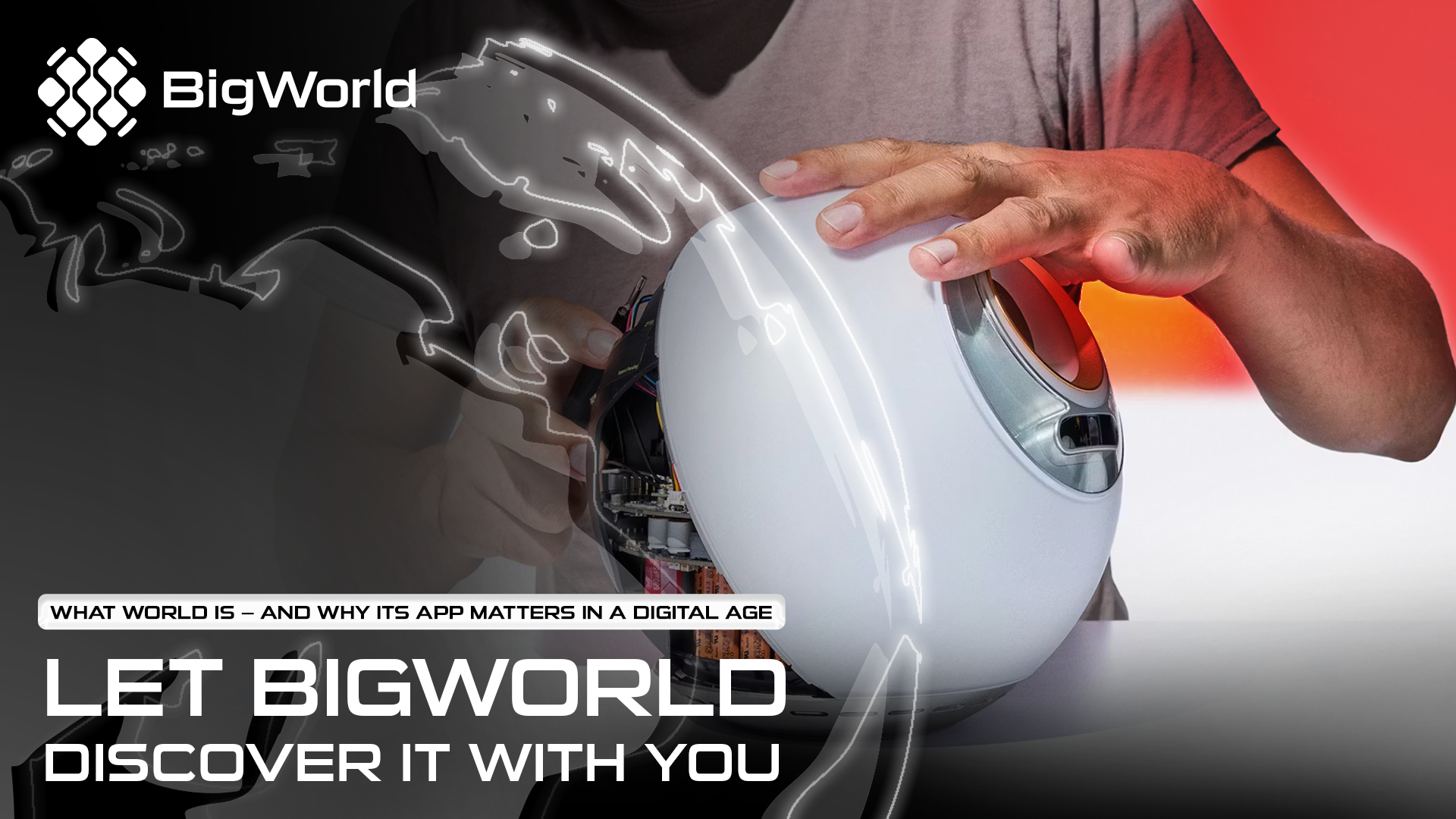
At the heart of this identity system is World ID — a “proof of personhood” protocol that verifies someone is a unique human and not an automated bot. Users can obtain a World ID by having their iris scanned by a specialized biometric device called an Orb, which confirms uniqueness without storing facial data directly on a central server.
Once verified, users receive access to services within the World network and can use the accompanying World App — a mobile application that integrates identity tools, encrypted communication, and a digital wallet capable of handling World’s native cryptocurrency (WLD), payments, and other digital assets.
2. Why Identity Verification Matters Today
Why is this even necessary? Modern digital platforms are teeming with automated accounts, deepfake content, and AI agents sophisticated enough to mimic humans convincingly. This trend makes it increasingly difficult to trust that a digital interaction is with a real person. If we lose the ability to authenticate humanness, meaningful digital community — and even civic discourse — begins to break down.
The World project directly addresses this by creating a universal digital identity standard based on biometric verification and cryptographic proof. This proof of humanity is meant to help distinguish real users from AI bots, reduce fraud, and support trust-worthy interactions online.
But identity verification at this scale is not without controversy. Governments and privacy advocates in several countries have raised concerns about how biometric data is collected, used, and protected — leaving regulators in places like France, South Korea, and Indonesia scrutinizing or temporarily halting parts of the project.
3. The World App: A Super App for a Human Digital World
The World App is more than just a wallet. It’s part of the World ecosystem designed to let verified humans transact, communicate, and participate in digital spaces with greater trust and security. Recent updates have transformed the app into what many call a “super app” — combining encrypted messaging, expanded crypto payment features, and identity verification tools in one platform.
Instead of logging into disparate apps with anonymous usernames, people in the World ecosystem use their World ID to access services that recognize them as verified humans. This human-first approach is intended to:
- Reduce impersonation and bot accounts.
- Create safer online environments.
- Elevate trust between participants.
- Open new pathways for digital financial inclusion.
In a way, the world is asking a big question: What does a digital world look like when it really belongs to humans again?
4. World’s Vision in the Face of AI’s Rise
The rise of AI — especially generative models capable of producing human-like text, images, and video — presents both enormous opportunities and serious challenges. Tools that make digital identity robust and verifiable could help maintain authenticity online even as AI becomes more capable.
Sam Altman himself and others behind World argue that without a way to distinguish humans from AI agents on the internet, digital life risks being overrun by automation and indiscernible artificial presences. A global proof-of-personhood network could form foundational infrastructure for a future where humans and AI coexist, but with clear lines of agency and accountability.
At the same time, the project’s rapid expansion and collection of biometric data have sparked debate about privacy, control, and the balance between innovation and civil liberties — highlighting that technological solutions must be tempered with careful ethical consideration.
5. Final Words
World — the identity network and app system initiated by Sam Altman and his team — reflects a powerful response to one of the defining challenges of our time: preserving authentic human presence in a digital era dominated by AI and automation.
It may not be perfect, and it certainly raises important questions about privacy, data governance, and power dynamics online. But it represents a major attempt to rebuild digital foundations with humans at the center — not bots, not faceless accounts, but real people with real identities.

.png&w=2048&q=75)