How RWA connects global communities through shared value.
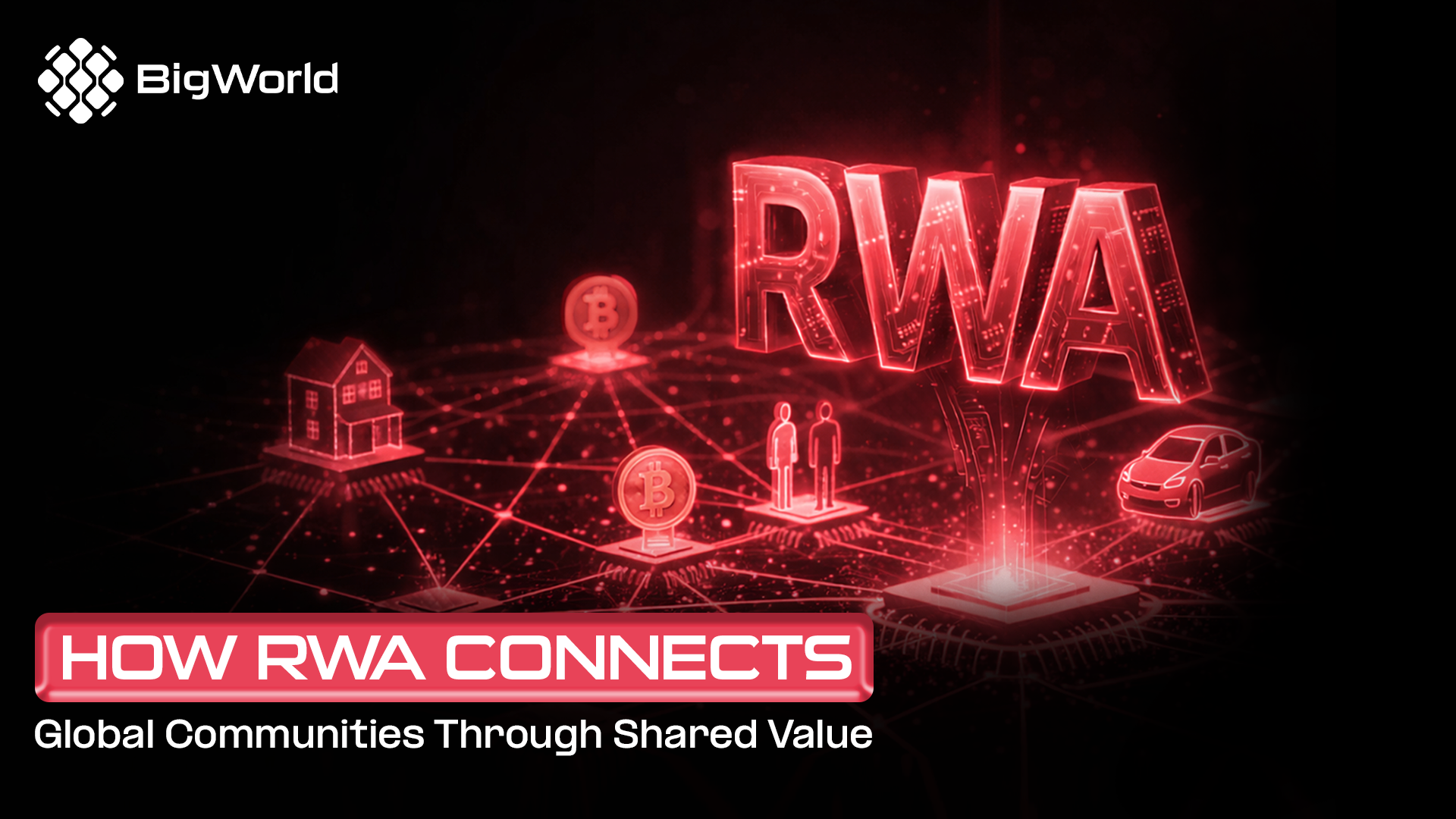
In an increasingly interconnected world, technology is reshaping how people create and share value across borders. At BigWorld, we see Real World Assets (RWAs) as a powerful force that goes beyond financial innovation to foster genuine connections among global communities. By tokenizing tangible assets like real estate, treasuries, art, and commodities on blockchain, RWAs enable fractional ownership, transparent transactions, and inclusive participation that traditional systems often restrict. This approach builds shared value - where economic gains align with social and environmental benefits - helping communities worldwide collaborate, invest, and grow together in meaningful ways.
1. Understanding Real World Assets (RWAs)
Real World Assets refer to traditional, physical, or financial assets that are digitized through blockchain tokenization. This process converts ownership rights into digital tokens that can be traded, divided, and transferred efficiently on decentralized networks. Unlike purely speculative cryptocurrencies, RWAs maintain a direct link to verifiable real-world value, such as property deeds, government bonds, or revenue streams from infrastructure projects.
The tokenization process involves several key steps that make assets more accessible. First, legal ownership is verified and often placed into a special purpose vehicle (SPV) or similar structure compliant with regulations. Smart contracts then represent these rights as tokens on a blockchain, enabling features like automated dividend distributions or fractional shares. This setup reduces intermediaries, lowers costs, and allows 24/7 global trading that traditional markets rarely match.
1.1 The Tokenization Revolution
Tokenization represents a fundamental evolution in asset management. It turns illiquid assets - such as a commercial building or a collection of fine art - into liquid, divisible instruments that anyone with an internet connection can access in small amounts. This revolution accelerates settlement times from days or weeks to seconds while enhancing transparency through immutable on-chain records.

how-rwa-connects-global-communities-through-shared-value
Early adopters have already shown how this works in practice. For instance, platforms have successfully tokenized luxury real estate, allowing investors from different continents to own proportional shares and receive rental income automatically via smart contracts. The result is not only greater liquidity but also new opportunities for capital formation in regions that previously struggled with limited access to global investment pools.
1.2 Common Types of RWAs
RWAs span diverse categories, each contributing uniquely to shared value creation. Tokenized U.S. Treasuries and fixed-income products dominate current volumes, offering stable yields - often 4-5% for treasuries and higher for private credit - directly on-chain. These instruments appeal to institutions and retail participants alike by combining the safety of government-backed assets with blockchain efficiency.
Other prominent types include real estate, commodities like tokenized gold, and emerging ESG assets such as carbon credits or revenue from renewable energy projects. Intellectual property and art tokenization further expand the landscape, enabling creators and collectors to unlock value while sharing ownership more broadly. Each category demonstrates how RWAs bridge traditional finance with decentralized systems, creating economic opportunities that benefit issuers, investors, and the broader communities they serve.
Read more: Real-World Assets: Why RWA Is the Future of Finance and Crypto | TheBigWorld
2. The Concept of Shared Value in a Global Context
Shared value goes beyond corporate social responsibility. It focuses on generating economic success while simultaneously addressing societal challenges, as originally framed by thinkers like Michael Porter. In the context of RWAs, this means designing tokenization models that create profitable opportunities alongside measurable benefits for participants worldwide, such as financial inclusion, sustainable development, and cross-cultural collaboration.
Traditional finance often concentrates wealth and opportunity in a few hubs, leaving many communities on the sidelines. RWAs challenge this by lowering entry barriers and redistributing access to high-quality assets. When a farmer in Kenya or an entrepreneur in Southeast Asia can attract fractional investment from global participants through tokenized revenue streams, shared value emerges naturally through aligned incentives and mutual growth.
2.1 Economic Inclusion and Accessibility
Economic inclusion stands as one of the most profound impacts of RWAs. High-value assets that once required millions in capital or exclusive networks now open to everyday investors through token fractions as small as a few dollars. This democratization empowers individuals in emerging markets to build wealth, diversify portfolios, and participate in global markets previously out of reach due to geography or minimum investment thresholds.
Communities benefit collectively when local projects - whether solar farms, affordable housing, or small business lending - gain funding from a worldwide investor base. The resulting capital inflow supports job creation, infrastructure development, and skill-building, while investors earn returns that reflect real economic activity rather than pure speculation. This virtuous cycle strengthens social fabric across borders and reduces inequality in meaningful ways.

how-rwa-connects-global-communities-through-shared-value
2.2 Fostering Collaboration Across Borders
RWAs also promote collaboration by creating shared stakes in successful outcomes. Investors from Europe, Asia, and Africa who hold tokens in the same tokenized infrastructure project naturally develop aligned interests in its long-term success. This shared ownership encourages knowledge exchange, best-practice sharing, and even direct partnerships that transcend cultural and regulatory differences.
Platforms that integrate identity verification and community governance further amplify these connections. When participants know they are engaging with verified individuals rather than anonymous entities, trust grows and collaboration deepens. The global nature of blockchain ensures these interactions happen seamlessly, turning distant communities into active co-creators of value.
3. How RWAs Connect Global Communities
RWAs connect communities by transforming passive observers into active participants in the global economy. Fractional ownership allows people from diverse backgrounds to co-own and benefit from assets that generate real utility and income. This model creates direct economic links where success in one region supports prosperity in others, fostering a sense of collective progress.
Transparency plays a crucial role in building these connections. Blockchain records every transaction and ownership change publicly and immutably, reducing fraud and increasing confidence among participants who may never meet in person. When a tokenized real estate project in one country distributes rental yields automatically to holders worldwide, it demonstrates tangible shared success that strengthens community bonds.
3.1 Breaking Down Geographical Barriers
Geography no longer limits investment opportunities thanks to RWAs. A professional in Vietnam can invest in tokenized U.S. Treasuries or European infrastructure with the same ease as a local investor, while a project in Latin America can raise capital from Asian and African participants. This borderless access accelerates capital flows to high-potential areas and spreads risk more evenly across the global economy.
Real examples illustrate this impact clearly. Initiatives like Project Mocha tokenize individual coffee trees in Kenya, allowing global supporters to invest directly in farmers' growth while sharing in harvest revenues. Similarly, tokenized real estate platforms in Dubai and other hubs have enabled international investors to participate in local development projects with minimal friction, creating jobs and economic activity that benefit residents while delivering returns to a worldwide owner base.

how-rwa-connects-global-communities-through-shared-value
3.2 Enabling Cross-Cultural Investments and Collaborations
Cross-cultural investments thrive when RWAs align incentives around shared outcomes. Token holders from different continents who co-own a sustainable energy project, for instance, gain motivation to support its environmental and social goals. This alignment often leads to additional collaborations, such as knowledge transfer, joint marketing efforts, or even cultural exchanges that enrich all involved parties.
In the art world, platforms have tokenized valuable works, allowing fractional owners from various cultures to engage with the artwork's story and legacy. Revenue from exhibitions or licensing flows directly to token holders, creating ongoing dialogue and appreciation that transcends national boundaries. These experiences build empathy and understanding alongside financial returns, deepening the human connections that define true global communities.
Read more: What RWA means for global liquidity flows. | TheBigWorld
4. Challenges in Realizing the Full Potential of RWAs for Shared Value
Despite impressive progress, realizing RWAs' full potential requires addressing several challenges thoughtfully. Regulatory fragmentation across jurisdictions remains a significant hurdle, as differing legal frameworks can complicate cross-border token transfers and ownership recognition. Harmonizing standards while protecting consumers will be essential for broader adoption and trust.
Technological and educational barriers also persist. Not everyone yet understands blockchain or feels comfortable managing digital wallets and tokens. Solutions must focus on user-friendly interfaces, robust security, and widespread education to ensure that the benefits of RWAs reach diverse communities rather than remaining limited to tech-savvy users.
4.1 Regulatory and Legal Hurdles
Regulatory clarity varies widely, with progressive hubs like Singapore, Hong Kong, and parts of the Middle East leading the way through supportive frameworks for tokenized securities. Other regions move more cautiously, creating uncertainty that slows innovation and limits participation. Collaborative efforts between governments, industry bodies, and technologists are needed to develop consistent global standards that balance innovation with investor protection.
When regulations align properly, as seen in successful pilots for trade finance and real estate tokenization, the results include faster capital deployment and greater inclusion. Continued dialogue and pilot programs will help bridge gaps and unlock RWAs' capacity to connect communities more effectively.

how-rwa-connects-global-communities-through-shared-value
4.2 Technological and Adoption Barriers
Interoperability between different blockchains and traditional systems presents another key challenge. Users and institutions need seamless ways to move assets and value across networks without excessive fees or complexity. Advances in cross-chain bridges, zero-knowledge proofs for privacy, and AI-driven interfaces are helping address these issues, but further maturation is required.
Adoption also depends on building digital literacy and trust. Educational initiatives, intuitive platforms, and successful real-world demonstrations play vital roles in encouraging broader participation. As more communities experience the tangible benefits of RWA participation - through income, ownership, and collaboration - momentum will naturally build toward a more inclusive global economy.
5. The Future of RWAs in Creating a More Connected World
Looking ahead, RWAs are poised to become a cornerstone of a more connected and equitable global economy. As tokenization expands to new asset classes - including equities, intellectual property, and climate-related instruments - opportunities for shared value creation will multiply. Projections suggest the tokenized asset market could reach hundreds of billions or even trillions in the coming years, driven by institutional adoption and technological improvements.
6. Conclusion
Real World Assets represent far more than a financial trend - they embody a powerful mechanism for connecting global communities through authentic shared value. By combining the stability of real-world assets with the transparency and accessibility of blockchain, RWAs create opportunities that benefit individuals, businesses, and societies across borders. From democratizing investment in treasuries and real estate to funding sustainable projects that generate both returns and social good, this technology fosters the kind of collaborative growth our interconnected world needs.